When the hallway lights flicker, the cafeteria buzzes, and the teacher’s voice climbs to a crescendo, it’s easy to feel like you’re in a sensory storm. For many students, this whirlwind can become overwhelming, turning a normal school day into a challenge of survival. This article explores the ins and outs of managing sensory overload during school, offering clear, actionable tips for students, parents, and educators alike.
Understanding Sensory Overload in the Classroom
Sensory overload occurs when the brain receives more stimulation than it can process. In a school setting, this can mean too many sights, sounds, smells, or even social cues at once. Knowing what triggers this flood is the first step toward control.
What Triggers Sensory Overload?
- Bright, flickering lights that strain the eyes Loud, overlapping conversations in crowded hallways Strong smells from cafeteria food or cleaning products Rapid classroom transitions that demand instant focus Social pressures like group projects or spontaneous questions
How It Affects Learning
When the brain is flooded, attention drifts, memory falters, and anxiety spikes. A student who once excelled in math may Relationship challenges now find themselves staring at a worksheet, unable to connect numbers to concepts. This isn’t a sign of laziness; it’s a physiological response to sensory chaos.
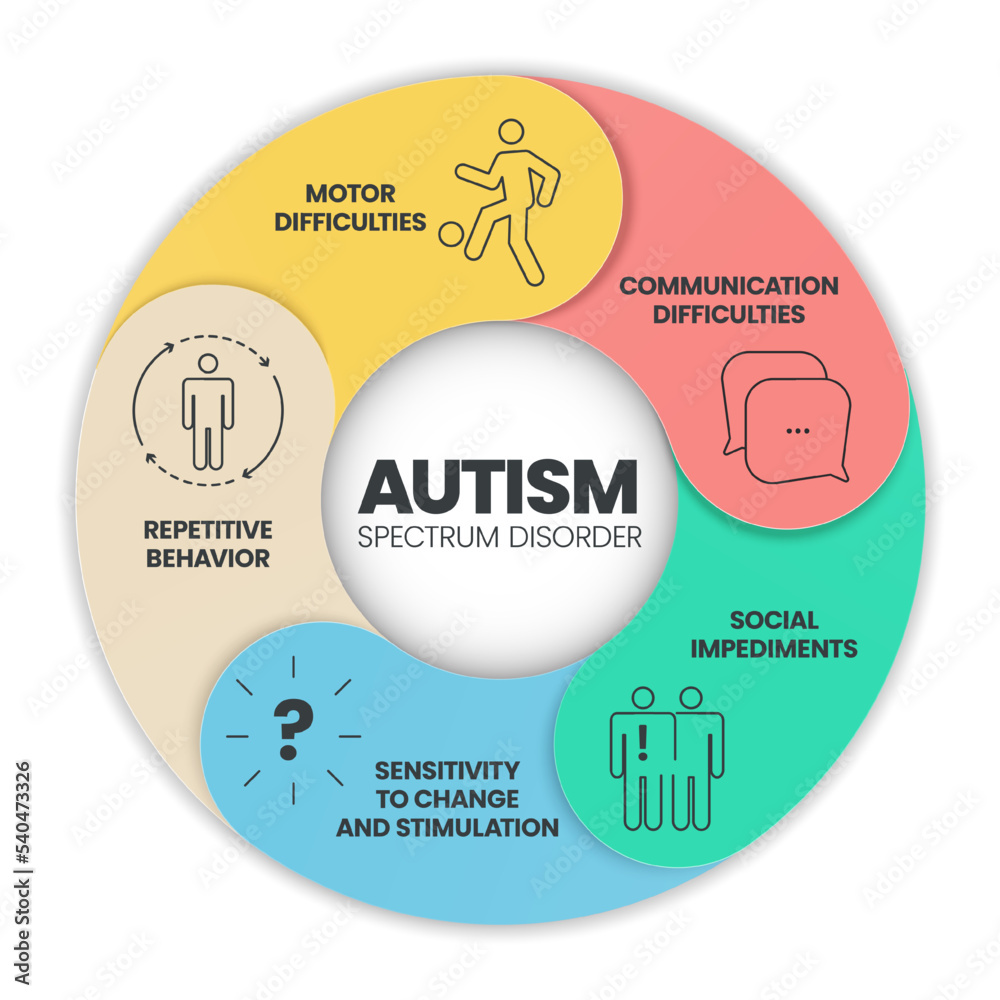
Early Signs and Symptoms
Recognizing the early warning signs can prevent a full-blown sensory crisis.
Subtle Clues to Watch For
- Frequent blinking or squinting Avoiding eye contact or looking away Fidgeting, tapping, or pacing Short, sharp breaths or sighs Sudden withdrawal from group activities
When to Seek Support
If these signs persist for more than a few minutes or interfere with daily tasks, it’s time to involve teachers or school counselors. Early intervention can reduce the risk of chronic stress.
Practical Strategies for Students
Students can take proactive steps to shield themselves from overwhelming stimuli.
Personalizing Your Environment
- Wear noise‑cancelling headphones during group work or noisy periods Choose a seat away from high traffic areas Use a small, portable fan to create a personal airflow Keep a calming object (stress ball, smooth stone) handy
Mindful Breathing and Grounding Techniques
- Box breathing: inhale for 4 counts, hold 4, exhale 4, hold 4 5‑4‑3‑2‑1 technique: name five things you see, four you touch, three you hear, two you smell, one you taste Grounding with touch: press thumb and forefinger together and count to ten
Using Technology Wisely
- Apps for guided meditation (e.g., Calm, Headspace) Audio books instead of text during stressful periods Timers to remind you to take micro‑breaks
Role of Teachers and Schools
Educators play a pivotal part in creating an environment where every student can thrive.
Creating a Sensory-Friendly Classroom
- Dim or adjustable lighting to accommodate different sensitivities Soft background music during independent work Clear, visual schedules to reduce uncertainty Quiet corners where students can retreat briefly
Communication with Parents and Specialists
- Regular check‑ins via email or a shared digital platform Collaboration with occupational therapists or school psychologists Parent‑teacher conferences focused on sensory strategies
A Real-World Anecdote
Last year, a sophomore named Maya struggled with the morning rush. One day, she found a small, blue rubber ball in the teacher’s desk and began squeezing it during recess. The next day, her teacher noticed a calmer, more focused Maya. By the end of the semester, Maya’s grades improved, and her classmates began using “Maya’s ball” as a classroom cue for a quick sensory reset. The lesson? A simple tool, used consistently, can transform a chaotic day into a manageable one.
Quotes & Wisdom
> “The greatest weapon against stress is our ability to choose one thought over another.” – William James
This quote reminds us that while we can’t always control the sensory environment, we can control our response to it.
Putting It All Together: A Daily Action Plan
- Morning: Pack a sensory kit (headphones, calming object, timer) During school: Use the “5‑4‑3‑2‑1” grounding exercise before each transition Midday: Take a 3‑minute break in a quiet corner After school: Review the day’s sensory triggers and adjust the kit accordingly
By turning these steps into habits, students can build resilience against sensory overload.
Navigating the Future with Confidence
Managing sensory overload during school isn’t a one‑time fix; it’s an ongoing practice of awareness, adaptation, and support. Whether you’re a student learning to tune out the noise, a parent advocating for your child, or a teacher designing a welcoming classroom, the key lies in small, consistent actions that respect individual needs. Remember, the goal isn’t to eliminate all stimulation—after all, here some of the world’s most vibrant moments happen in noisy cafés and bustling corridors—but to equip students with the tools to thrive amidst it.
Take the first step today: choose one strategy from this guide, try it tomorrow, and watch how a calmer, more focused day unfolds.